
Introduction
In the digital age, IPTV has revolutionized how people access television content. From live channels and on-demand movies to international programming, IPTV offers unmatched flexibility and convenience. Alongside the rising popularity of IPTV, a growing business model has emerged: IPTV reselling.

SUBSCRIBE NOW
IPTV resellers act as intermediaries between IPTV providers and end users, selling subscriptions to customers while leveraging services from larger providers. But how do IPTV resellers work, and what does it take to run a successful IPTV reselling business in 2026? This article explores the inner workings of IPTV reselling, from setup to revenue strategies, while highlighting legal and operational considerations.
What is an IPTV Reseller?
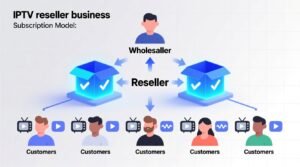
An IPTV reseller is an individual or business that sells IPTV subscriptions provided by a wholesale IPTV provider. Unlike standard subscribers, resellers do not create content themselves—they act as distributors, managing subscriptions and customer relationships.
Key Points About IPTV Resellers:
-
They purchase IPTV subscriptions in bulk from a provider at wholesale prices.
-
Resellers can offer subscriptions to end-users at retail prices.
-
They typically use reseller dashboards or APIs to manage customer accounts, monitor usage, and provide support.
IPTV resellers can range from solo entrepreneurs running online shops to established companies offering branded IPTV services. This model allows businesses to enter the streaming industry without investing in content creation or server infrastructure.
How IPTV Resellers Source Their Services
The backbone of any IPTV reselling business is the relationship with a reliable IPTV provider. Providers offer access to live TV channels, movies, and series through bulk subscription packages.
Common Features of IPTV Providers for Resellers:
-
Wholesale subscription plans: Resellers purchase multiple accounts or subscription packages at discounted rates.
-
Reseller dashboards: Tools that allow resellers to create and manage customer accounts easily.
-
APIs: Automated systems for account creation, subscription management, and monitoring.
-
Content packages: Providers often offer tiered channel lists, including sports, movies, and international channels.
Resellers must ensure that their IPTV providers are licensed and legal. Selling subscriptions from unlicensed or pirated sources can result in serious legal consequences, including fines or business shutdowns.
Setting Up an IPTV Reseller Business
SUBSCRIBE NOW
Starting an IPTV reseller business is relatively straightforward, but it requires careful planning to ensure success. Here’s a step-by-step guide:
-
Choose a reputable IPTV provider: Select a provider with reliable servers, quality streams, and transparent licensing.
-
Register as a reseller: Most providers require registration, verification, and acceptance of terms.
-
Determine subscription packages and pricing: Resellers can offer monthly, quarterly, or yearly subscriptions, sometimes with tiered channel packages.
-
Use reseller tools for account management: Dashboards and APIs simplify creating new accounts, managing users, and tracking revenue.
-
Market the service: Promote your IPTV subscriptions through social media, websites, or affiliate networks.
Technical Requirements for Resellers:
-
Stable internet connection and server access
-
Secure payment gateways for subscription collection
-
Customer support tools to handle queries and technical issues
By following these steps, resellers can establish a functional IPTV business without extensive technical expertise.
How IPTV Resellers Make Money
The revenue model for IPTV resellers is simple but effective:
-
Profit Margin: Resellers buy subscriptions at wholesale prices and sell at retail prices, earning a markup on each sale.
-
Recurring Revenue: Monthly or yearly subscriptions provide consistent cash flow.
-
Upselling Opportunities: Offering premium packages or add-ons, such as additional channels or higher-definition streams.
Example Pricing Structure:
-
Wholesale cost for a subscription: $5 per month
-
Retail price for end-user: $10–$12 per month
-
Profit per subscription: $5–$7 per month
-
Scaling to 100–500 subscribers can generate substantial monthly revenue.
Successful resellers focus on customer satisfaction, retention, and quality service, which helps maintain recurring revenue streams.
SUBSCRIBE NOW
Legal Considerations
Operating an IPTV reseller business carries potential legal risks, depending on the sources of content you distribute.
Key Legal Points:
-
Licensed Providers Are Safe: Reselling subscriptions from providers that have legal agreements with content owners is legal and risk-free.
-
Avoid Pirated Services: Distributing illegal IPTV content is a violation of copyright law and can result in fines, lawsuits, or criminal charges.
-
Contracts and Compliance: Many IPTV providers require resellers to sign agreements confirming they will sell only legal content.
-
Regional Laws: Some regions have stricter enforcement on digital content distribution. Understanding local regulations is essential.
By working only with verified, licensed IPTV providers, resellers can operate legally while avoiding penalties.
SUBSCRIBE NOW
Tools and Platforms Used by IPTV Resellers
Efficient resellers leverage technology to streamline their operations. Common tools include:
-
Reseller dashboards: Centralized platforms for creating accounts, monitoring activity, and managing subscriptions.
-
APIs: Automate account generation, renewal, and cancellations.
-
Payment gateways: Securely process customer payments for subscriptions.
-
White-label apps: Some providers offer customizable apps that allow resellers to brand their IPTV service as their own.
Using the right tools ensures smooth operations, better customer experience, and scalable growth.
Challenges and Opportunities in IPTV Reselling
Challenges:

SUBSCRIBE NOW
-
Competition: Many resellers are entering the market, making differentiation critical.
-
Technical issues: Server downtime or buffering can affect customer satisfaction.
-
Legal risks: Using unlicensed providers can have severe consequences.
Opportunities:
-
Growing demand: More consumers are shifting from cable to IPTV for cost-effectiveness and convenience.
-
Low initial investment: No need for content creation or server infrastructure.
-
Scalability: Reseller businesses can expand easily by increasing subscription packages or acquiring more customers.
Tips for Sustainable Growth:
-
Offer high-quality service and stable streams.
-
Use social media marketing and affiliate networks.
-
Stay transparent about content sources and licensing.
Conclusion
IPTV resellers play a crucial role in bridging the gap between providers and end-users. By purchasing subscriptions in bulk, managing accounts through dashboards or APIs, and offering services at retail prices, resellers can build a profitable business in 2026.
However, success depends on choosing licensed IPTV providers, understanding legal obligations, and delivering high-quality service. Avoiding pirated content and maintaining transparency ensures a safe and sustainable IPTV reseller business.
With the right planning, technical setup, and marketing strategy, IPTV reselling can be a lucrative opportunity in the growing digital streaming market.
How IPTV Reselling Works: IPTV Reseller Business Model Explained (2025)